
Identifying and Proving Nursing Home Abuse
Hibu Websites • March 31, 2021
Identifying and Proving Nursing Home Abuse
17 Jun, 2016
Putting your elderly relative in a nursing home may have seemed like the best option for everyone involved. Your relative could receive the care and treatment he or she needs in a safe environment, assisted by trained professionals. Did nursing...
Putting your elderly relative in a nursing home may have seemed like the best option for everyone involved. Your relative could receive the care and treatment he or she needs in a safe environment, assisted by trained professionals. Did nursing home abuse ever cross your mind?
Recently, however, you may have noticed that your relative doesn't seem happy. He or she acts quiet or withdrawn when you visit and doesn't participate in the activities he or she used to enjoy. If this scenario describes your relative, he or she may be a victim of nursing home abuse.
Types of Abuse
Nursing homes generally limit the power and agency of elderly residents in favor of the staff. Unscrupulous individuals use this power balance to take advantage of the people they are supposed to be assisting. One or more of the following types of abuse may occur:
Physical
. The victim receives physical injury at the hands of another person, including hitting, pushing, scratching, kicking, and forcibly restraining without cause.
Emotional. The person in a position of power emotionally manipulates his or her victim by insulting, humiliating, terrorizing, intimidating, or ignoring that individual.
Sexual. The nursing home resident is the victim of unwanted, non-consensual sexual contact.
Financial. A financial abuser may steal property or money from his or her victim, discover the victim's banking information, or force the victim to change his or her will or trust.
Neglect. Like other forms of abuse, neglect may be an intentional act, or it may result from oversight or apathy. The victim may not receive proper medical or physical care or adequate mental stimulation.
Any type of abuse puts your loved one at serious risk and makes the nursing home an unsafe environment.
Signs of Abuse
Abuse often goes unreported. One study found that only 1 in 24 cases of abuse was reported to an appropriate authority. If you suspect something might be wrong but your loved one hasn't reported any inappropriate treatment, keep an eye out for some of the following indicators:
Bruises, scratch marks, and sudden injuries, emergency medical treatment, especially if a pattern emerges that is unrelated to any conditions the individual may have, unsanitary or unhealthy conditions, sudden emotional withdrawal, signs of fear or stress when around staff, missing belongings, strange charges on a credit card or bank account & lack of adequate food or medicine.
Physical abuse is probably the easiest to detect since it leaves visible traces, but any type of abuse leaves signs if you look carefully.
Investigating Possible Abuse
As soon as you have reasonable suspicions, talk to your loved one if they are lucid. Let him or her know he or she can tell you anything. Report the claims to a proper authority. However, if your loved one suffers from dementia or a similar condition, he or she may be unable to speak on his or her own behalf.
In this case, you'll need to decide whether your loved one is safe in the facility, even if nothing has been proven. You may want to find other accommodations, as your loved one's safety shouldn't be taken lightly. Unless you can be reasonably positive that no abuse or neglect has occurred, you don't want your loved one to stay in a bad situation.
A lawyer will help you access records and understand what you can legally investigate. Talk to other residents and their families and see if there has been a pattern of abuse. Try and find witnesses to corroborate your loved one's story, if they reported abuse, or who may have seen abuse that didn't get reported.
Your lawyer can take care of the legal aspect of the situation, gathering evidence and filing a claim against the nursing home and perpetrator of the abuse. A lawyer who has handled nursing home abuse cases before will have the skills and expertise necessary to know what to look for, how to build a case, and how to get you fair compensation.

Can your employer make you work full duty despite doctor's restrictions? Learn your rights under Iowa workers' compensation law. Free consultation with LLDDC.

Can not wearing a seatbelt reduce your Iowa car accident compensation? Learn when the insurance company may use it to reduce your damages.

Was your workers' comp claim denied in Waukee, IA? Learn common reasons for denials and what steps injured Iowa workers may be able to take next.
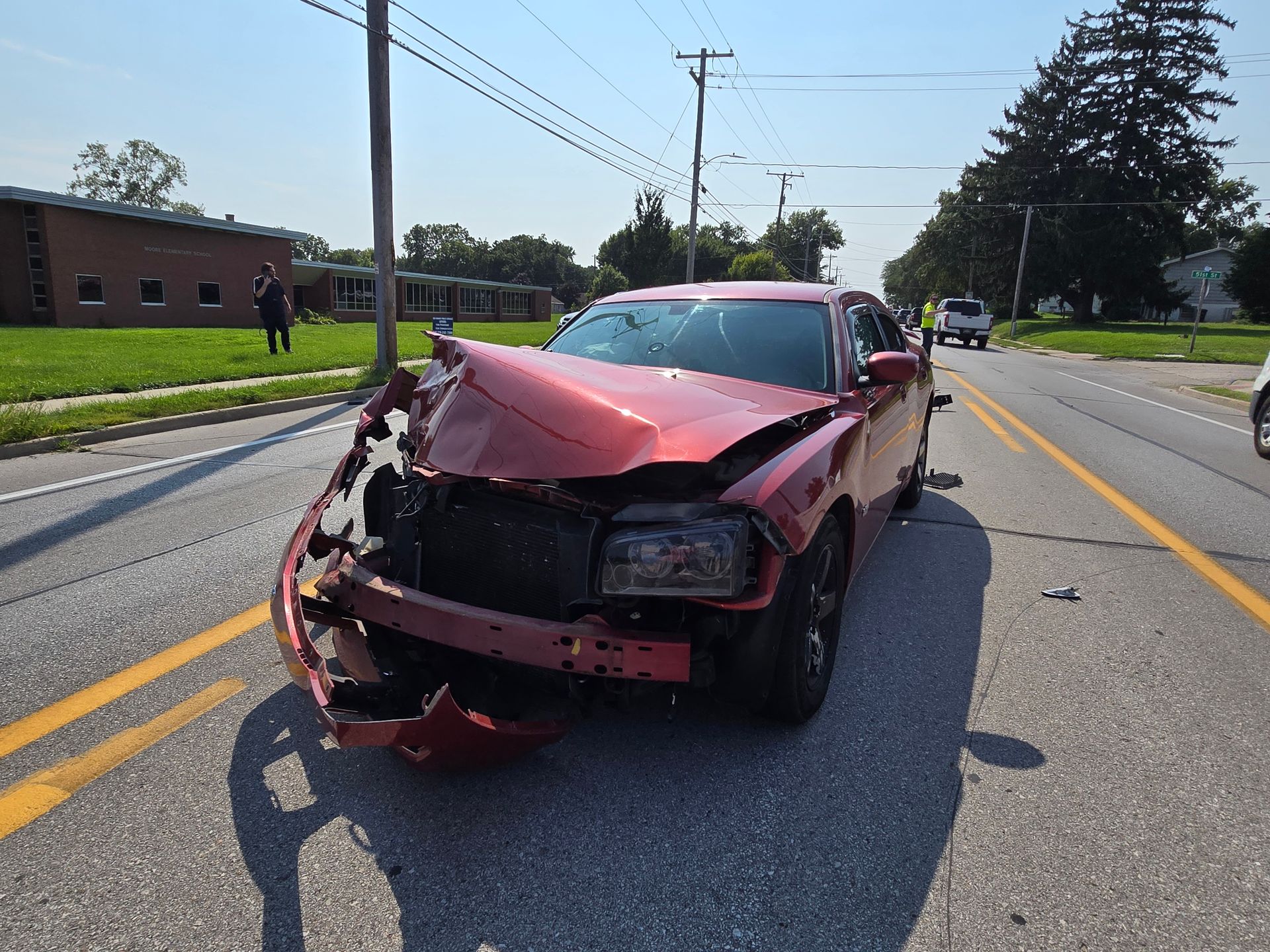
Not sure if you need an accident attorney in Ankeny, IA? Learn 5 key questions to ask after
an injury. Call today for a free consultation.
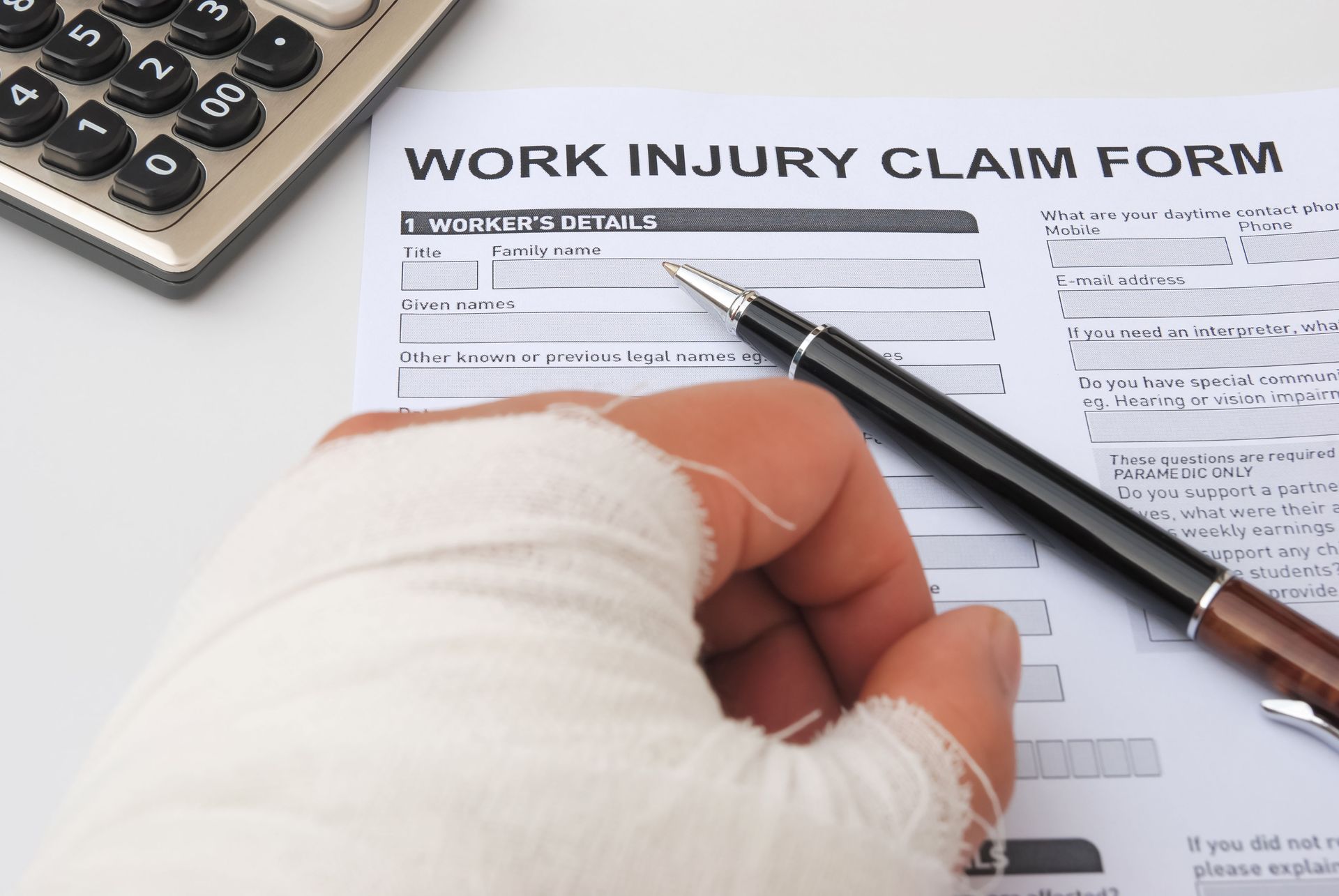
Can you be fired for filing workers' comp in Iowa? Learn about your rights after a work injury and when to talk with an Ankeny workers' comp attorney.

Why are truck crashes different from car accidents? Learn about trucking regulations, evidence and liability after a serious truck crash in Iowa.

Can your employer tell you to use health insurance instead of workers' compensation? Learn your rights after a work injury in Des Moines and throughout Iowa.
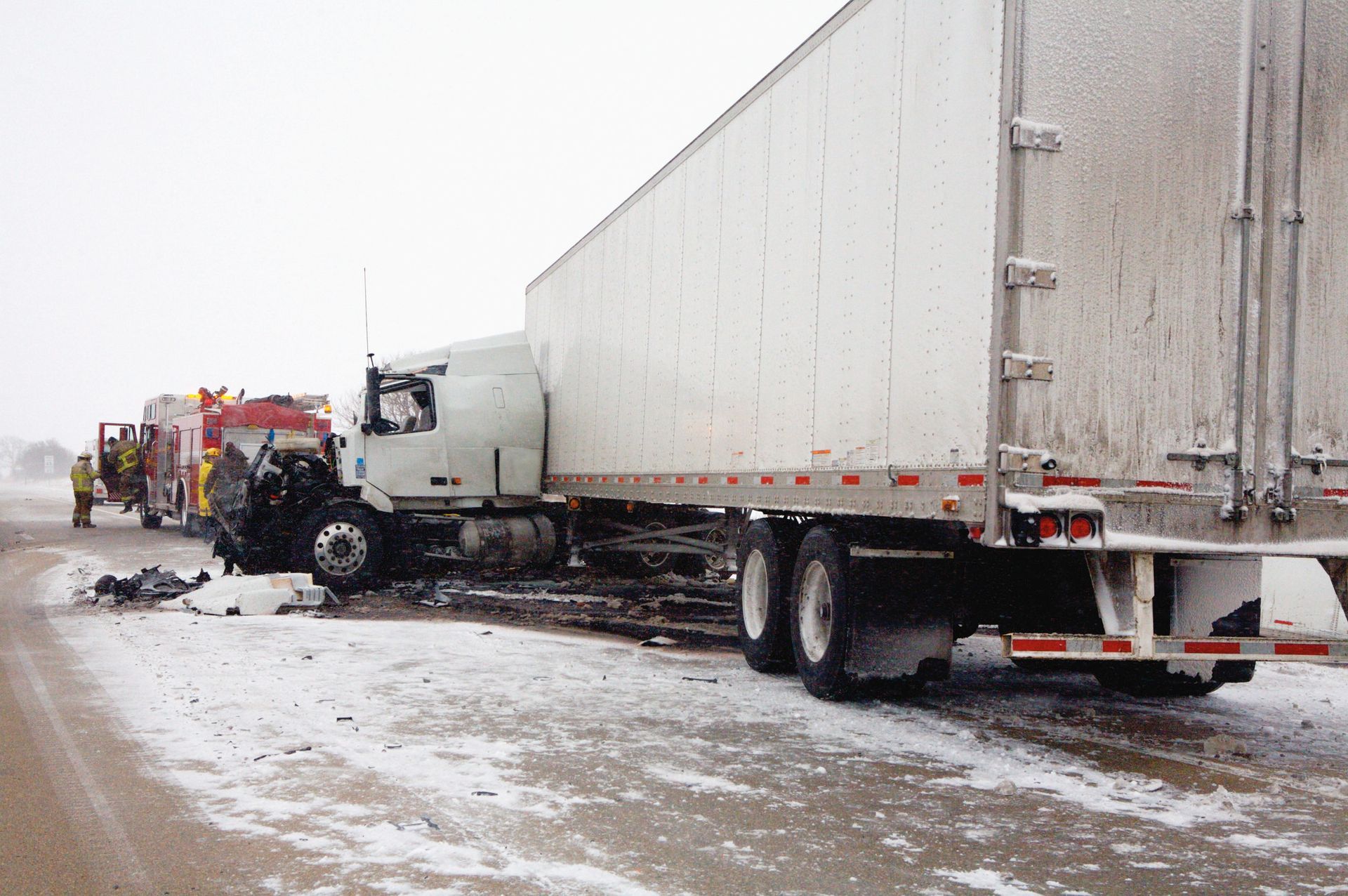
Learn what evidence can disappear after truck accident in Des Moines, IA, including black box data, driver logs, & video. Get answers from Iowa truck accident attorneys.
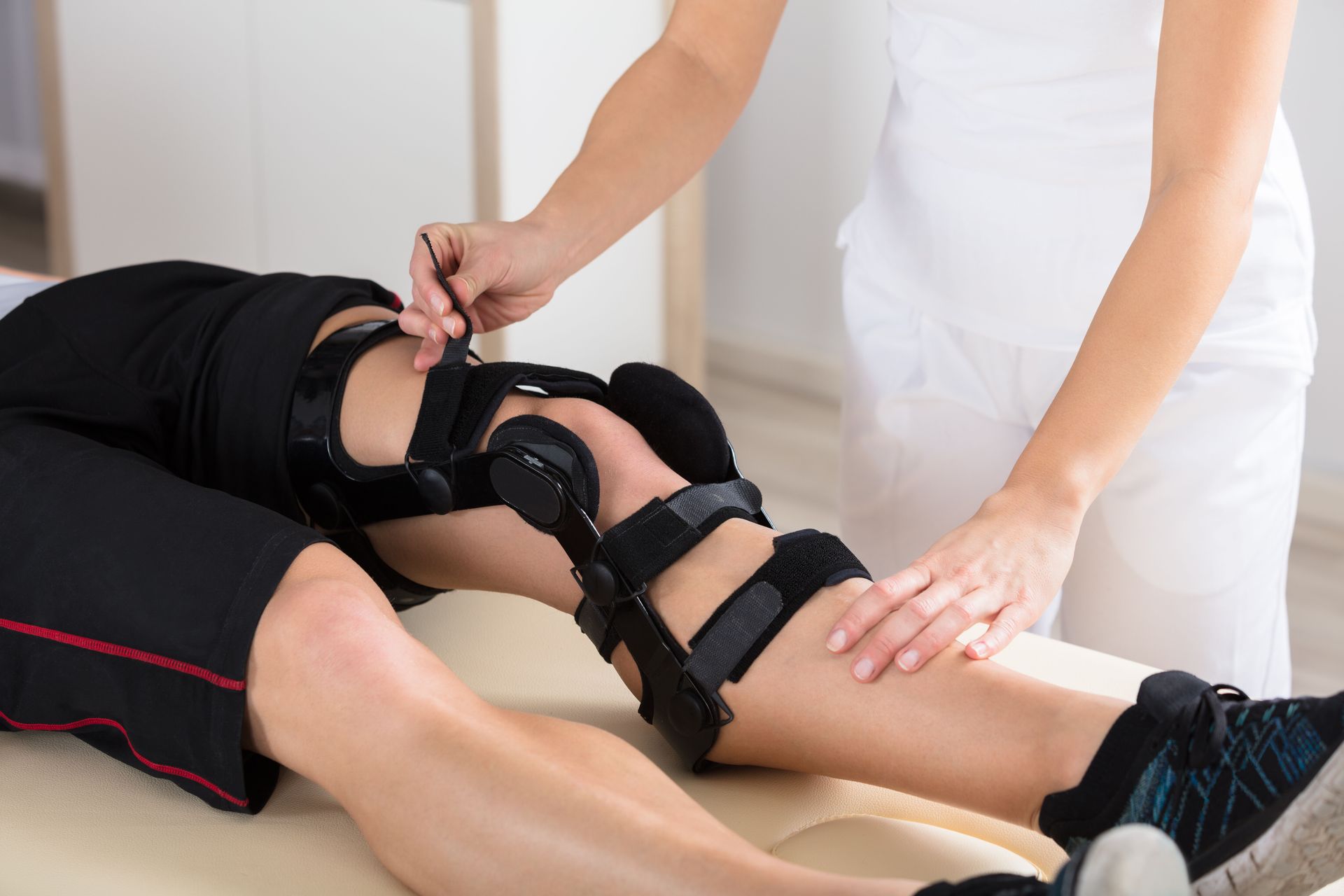
Who pays medical bills after a work injury in West Des Moines, IA? Learn how Iowa workers' compensation covers medical treatment, doctor visits, therapy, prescriptions, and what to do if care is denied.

Wondering what your personal injury case is worth after an accident in Des Moines? Learn how medical bills, lost wages, and pain and suffering impact your claim. Free consultations.
Share On: